
Vandaag of morgen in huis

Kwaliteit gegarandeerd

Welkomstaanbiedingen ontgrendelen: GRATIS bezorging | Tot 80% korting | Gratis 30 dagen JoyPlus-proefperiode
Download de app
At first glance, a 15.6-inch laptop backpack seems like a straightforward purchase. However, there are clear differences in fit, protection, organisation and materials. A backpack that looks roomy in product photos can, in daily use, offer too little space for a charger, lunchbox or documents. What’s more, “water-repellent” is sometimes mistaken for fully waterproof, when the two are not the same.
This buying guide helps you compare the key features and see which models suit commuting, the office, school, travel or cycling.
The screen size of a laptop doesn’t tell you everything about its external dimensions. A laptop with a wide bezel, sturdy casing or an extra-thick battery can be larger than expected. So don’t just check whether “15.6 inch” appears in the product name; also look at the dimensions of the compartment and your own laptop.
A backpack with a laptop compartment should also offer enough room around the device. Too little leeway makes packing awkward; too much space can cause the laptop to shift when you’re cycling or walking.
With a water-repellent laptop backpack, moisture is usually shed from the surface temporarily. That can be handy in light rain on your way to the station. However, the product description doesn’t always mention a waterproof construction, sealed seams or a protective rain cover.
In prolonged rain, take extra precautions. Store important documents and electronics in a separate waterproof pouch if needed. Also check the zips, roll-top closures and seams – water can get in there more easily than through the main material.
A spacious backpack with multiple compartments sounds appealing, but small pockets aren’t always suitable for your belongings. A laptop, tablet, charger, mouse, headphones and lunchbox need a logical layout. An abundance of pockets can actually take up space or make it harder to find things.
So pay attention to the combination of capacity, pocket layout and opening. A wide zip is practical in the office and on the train. A roll-top closure keeps the bag compact, but requires a bit more effort when packing.
Check whether the laptop compartment is explicitly suitable for 15.6 inches. Also look for:
A laptop backpack for work and commuting often benefits from a separate compartment for documents and smaller accessories. For school or travel, a larger main compartment is more important, as you’ll probably be taking extra clothes, books or a water bottle.
Products in this selection are described in their product names as water-repellent or water-resistant. Treat this as a product feature for conditions like light rain, not as a guarantee that the contents will stay dry in all circumstances.
Also consider the material. Grid polyester is described on some models as hard-wearing and suitable for rougher terrain. Canvas can offer a different look and feel. The practical choice depends on how you’ll use it: a business backpack mainly needs a tidy layout, while a hiking and cycling backpack needs to stay put during movement.
A lightweight backpack is pleasant if you carry a laptop, charger and other items every day. Don’t just look at the weight of the empty bag; also consider the carrying system:
According to the product description, the PELLIOT models feature an adjustable harness, breathable mesh and a capacity of around 10–15 or 15–20 litres, depending on the size. These bags are described as being aimed at trail running and cycling. So check carefully whether your 15.6-inch laptop will fit; they are not described as business laptop bags.
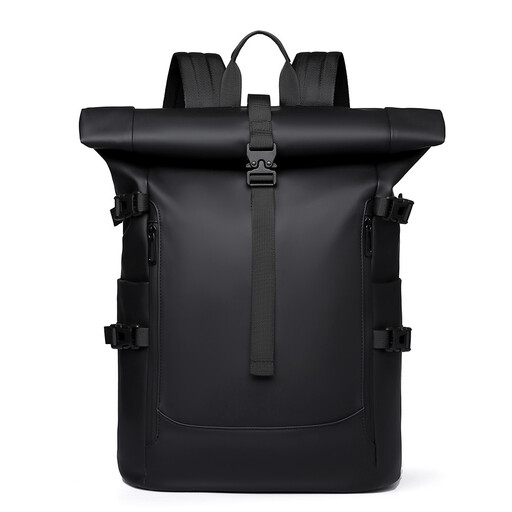
Why this fits the profile: The roll-top layout and large capacity suit daily use for work, school, cycling or a short city break.
The product name mentions a 15.6-inch laptop compartment and water-repellent material. Do check the exact laptop dimensions and the internal layout before buying.
Roll-top opening, large capacity and a design for work, cycling and urban travel.
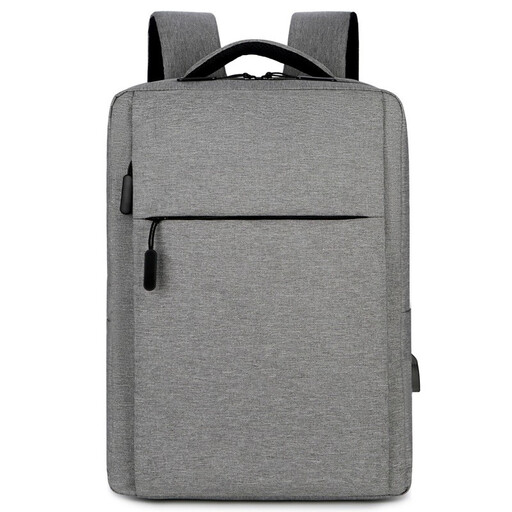
Why this fits the profile: This model is aimed at the office, commuting and travel where a professional look and quick access to accessories matter.
The product name mentions a 15.6-inch laptop compartment, a water-repellent finish and multiple pockets. The USB port is not a built-in battery; you need a power bank and cable.
Professional look, slim design, laptop compartment and external USB charging port according to the product description.
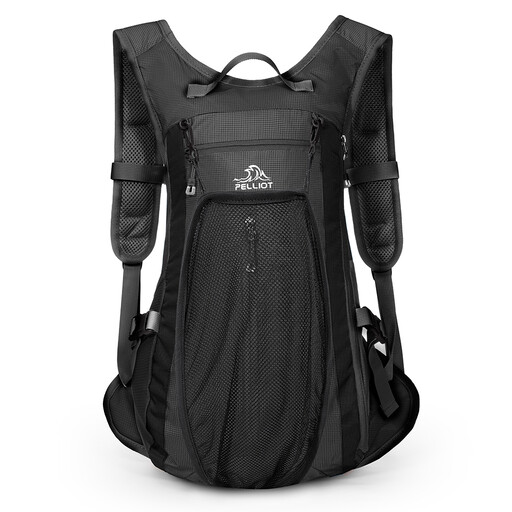
Why this fits the profile: For cycling, hiking and short outdoor activities, a stable, lightweight bag with easily accessible pockets is often more practical than a business laptop backpack.
The adjustable fit, breathable mesh and various pockets are described as being intended for sporty use. The model is not described as a 15.6-inch laptop bag.
Capacity of 10–15 or 15–20 litres depending on size, grid polyester and adjustable harness according to the product information.
We’ve put together a full, up-to-date list of products that fully meet these strict selection criteria and comply with current European safety regulations.
A laptop backpack with a USB port can be handy if you want to charge your phone on the go. The port usually works as a pass-through to a power bank inside the bag. So check whether the cable opening and the internal pocket are suitable for your power bank. Without a power bank, the port won’t charge anything on its own.
An expandable travel backpack is suitable if you switch between the office and a short overnight stay. For daily use, a slimmer model can be more comfortable, because a large bag quickly becomes unnecessarily heavy. If you mainly carry books and sports kit, a roomy backpack or school backpack may be just the thing.
Use this quick checklist before you buy:
No, not automatically. The screen size is only one measure. Compare the width, height and thickness of your laptop with the actual laptop compartment. Also allow room for a protective case.
The lifespan depends on the material, zips, seams, weight and how you use the bag. A bag that is heavily loaded every day or often placed on the ground will wear out faster. Distribute the weight and follow the product’s care instructions.
The USB port itself doesn’t supply any power. You need a separate power bank. The energy consumption then depends on the capacity of the power bank and the device you’re charging.
