
Vandaag of morgen in huis

Kwaliteit gegarandeerd

Welkomstaanbiedingen ontgrendelen: GRATIS bezorging | Tot 80% korting | Gratis 30 dagen JoyPlus-proefperiode
Download de app
A 12V cordless ratchet wrench is useful for assembly, vehicle maintenance and jobs in places where a standard ratchet or cordless drill is awkward to use. Its slim head and cordless operation let you work faster without an extension lead. However, not every electric ratchet wrench is suited to the same tasks.
DIY enthusiasts, mechanics and maintenance technicians are particularly likely to encounter these three common pitfalls:
So don’t just check the speed or marketing name. Look at the technical specifications, what’s included in the kit and the kind of work you actually do.
Torque is measured in newton metres (Nm). It indicates the turning force specified by the manufacturer. A 65 Nm ratchet wrench is mainly suited to tightening and loosening nuts and bolts for maintenance, assembly and light repairs.
A cordless ratchet wrench works differently from an impact driver. An impact driver uses impact pulses, which often make it more suitable for heavily tightened fasteners. An electric ratchet wrench offers more control in confined spaces and for tasks where you don’t need a large impact mechanism.
Use the stated maximum torque as a point of comparison, not as a reason to tighten fasteners fully with the tool without checking. Retighten critical connections with a suitable torque wrench if the vehicle or assembly instructions require it.
The drive size determines which sockets fit directly. A 3/8-inch ratchet wrench has a 9.5 mm drive and is a popular size for car maintenance and general upkeep. Check the shape and length of the head, too. A compact head is easier to manoeuvre between pipes, bodywork and other obstacles.
An adapter can make the tool more versatile, but it doesn’t change its maximum load capacity. Use the supplied adapter and sockets only for their stated applications. Before buying, also check whether the kit includes metric sockets. For jobs in the Netherlands, sizes such as 10, 13, 17 and 19 mm are often more useful than a random mixed set.
A 12V system is compact and generally comfortable to use overhead or in confined spaces. Battery life depends on the load, how often the tool is used, the temperature and battery capacity. A cordless ratchet wrench with 2 batteries offers a practical advantage: you can use one battery while the other is charging.
Look out for the difference between:
Compatibility matters even more with an 18V tool. According to the product information, the Gisam drill is designed for certain 18V Makita-compatible B-series pins, but not for G-series or certain Ni-Cd batteries. ‘Compatible with 18V’ doesn’t mean that every 18V battery will fit.
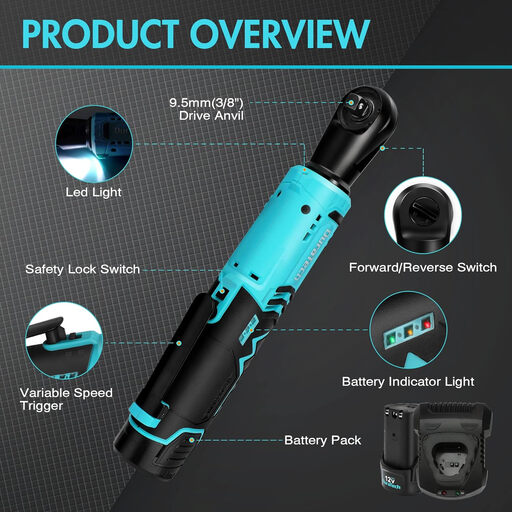
Why it suits this user: This complete set includes two 2.0 Ah Li-ion batteries, a charger, sockets, an adapter and a storage case. That means you’re less likely to need to buy extra accessories straight away.
The product information lists two batteries and a fast charger. The battery indicator shows the remaining charge, making it less likely you’ll run out of power unexpectedly.
Maximum torque of 65 Nm, 3/8-inch drive, LED light, forward/reverse function and eight metric sockets.
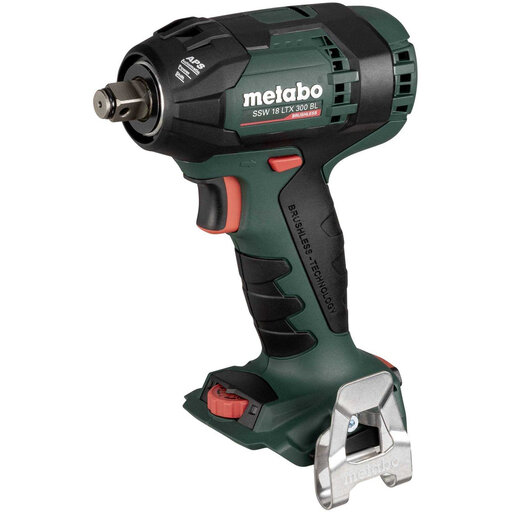
Why it suits this user: This 18V model is designed for users who need more torque and a robust build. It’s an impact driver, not a compact ratchet wrench.
The product page clearly states that batteries and a charger are not included. This makes it easier to work out the total cost before you buy.
18V system, 1/2-inch square drive, up to 300 Nm according to the product information, twelve torque/speed settings and an integrated work light.
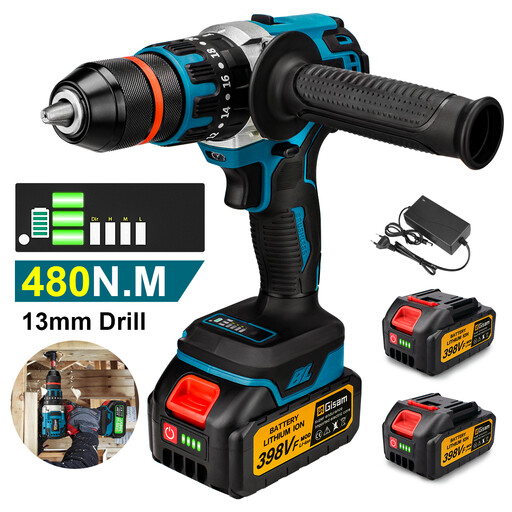
Why it suits this user: This versatile 18V cordless drill has drilling, hammer-drilling and screwdriving functions. It’s suited to maintenance tasks that involve more than simply tightening or loosening nuts and bolts.
The product specifications list which battery types are and aren’t suitable. Check this list before using an existing 18V battery.
Brushless motor according to the product information, 13 mm chuck, 20 torque settings, three drilling modes and an LED work light.
We’ve put together a complete, up-to-date list of products that meet these strict selection criteria and current European safety regulations.
For many assembly and maintenance tasks, yes. A 12V model is especially practical thanks to its compact body and good access. Check the stated torque and consider using a hand ratchet or impact driver for heavily seized bolts. For wheel bolts and critical connections, follow the vehicle manufacturer’s instructions.
That depends on battery capacity, load, temperature and how often the motor is used. A kit with two batteries helps reduce interruptions. Don’t leave Li-ion batteries fully discharged for extended periods, and use the supplied charger or one that is confirmed to be compatible.
It’s best to use the ratchet wrench to tighten or loosen fasteners, then check the final torque with a torque wrench if a specific tightening torque is required. The stated 65 Nm or any other maximum value is no substitute for the torque specification provided by the vehicle or structure manufacturer.
