
Livraison le jour même et le lendemain

Qualité garantie

Débloquez vos offres de bienvenue: Livraison GRATUITE | Jusqu'à -80 % | 30 jours d'essai gratuits à JoyPlus
Téléchargez l'application
A 12V cordless ratchet wrench is handy when you want to tighten or loosen nuts and bolts quickly without an air compressor or extension lead. It offers practical freedom of movement, particularly for car maintenance, assembly work and repairs in confined spaces.
However, not every cordless ratchet wrench is suited to the same jobs. A low price may look appealing, but a limited battery, the wrong drive size or an unclear torque rating can make the tool less useful than you expected. Below are the key things to check, along with some popular options based on verifiable product specifications.
Manufacturers often quote a single maximum torque value in Nm, but that figure doesn’t tell you how the tool will perform in practice with every bolt. Maximum torque can depend on the battery charge, direction of rotation, fastener and length of use.
So check the following too:
A 65 Nm cordless torque wrench may be suitable for many light to medium-duty assembly jobs, but it doesn’t automatically replace a calibrated torque wrench where a specified tightening torque is important.
Check the difference between a bare tool and a kit with accessories. In particular, make sure you know whether the box includes batteries, a charger, sockets and a case. Some models are sold without a battery or charger, particularly as part of a platform system where you’re expected to already own batteries from the same brand.
It’s also worth checking the number of accessories. A product title may, for example, list more sockets than the detailed contents list. Check the actual list of included parts.
A ratchet wrench with LED lighting can make the work area easier to see, but how useful it is depends on the light’s brightness and position, as well as the shape of the head. A slim head is useful in tight spaces, but check the tool’s overall length and how easy it is to reach the direction selector.
LED lighting is no substitute for safe workplace lighting. Don’t use the tool in wet conditions unless the product information says it’s suitable.
A 3/8-inch ratchet wrench has a 9.5 mm square drive. This is a common size for car maintenance, installation and general assembly work. Check that your existing sockets fit.
An adapter can add versatility. Bear in mind that it increases the overall length, and make sure your sockets and accessories are suitable for the stated torque.
A 12V platform usually offers a compact design. For regular use, battery capacity and the number of batteries matter more than voltage alone. Having two batteries makes it easier to keep working while one is charging.
Check:
The DURATECH kit’s product information lists two 2,000 mAh lithium-ion batteries and a fast charger. According to the product specifications, a full charge takes about an hour. Actual runtime depends on the load, temperature and condition of the battery.
Forward and reverse settings are useful for both tightening and loosening. Also check whether the tool is suitable for manual final tightening. Don’t use a ratchet wrench as an impact wrench unless the product information specifically says you can.
An electric ratchet screwdriver with lower torque is mainly intended for light screwdriving jobs. It isn’t automatically suitable for wheel nuts or seized fasteners. For those applications, the drive, torque and product category are what matter.
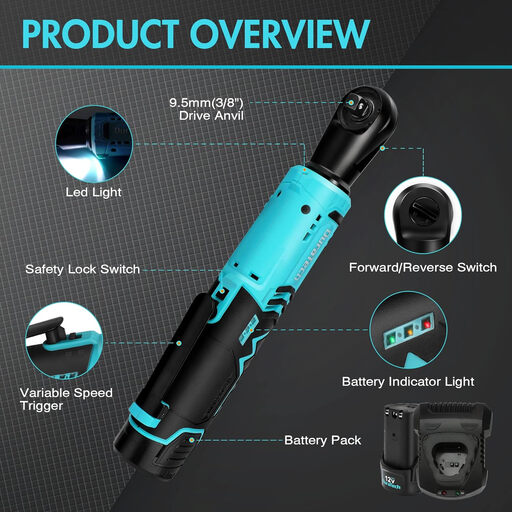
Why it suits this user: According to the product information, the set includes the ratchet wrench, two 2.0 Ah batteries, a charger, sockets, an adapter, an extension bar and a storage case. That means you’ll need to buy fewer separate parts for your first project.
The contents list specifies the accessories and two batteries. When ordering, do check the current packaging and the socket sizes listed separately.
3/8-inch drive, stated torque of 65 Nm, LED work light, battery status indicator and storage case.
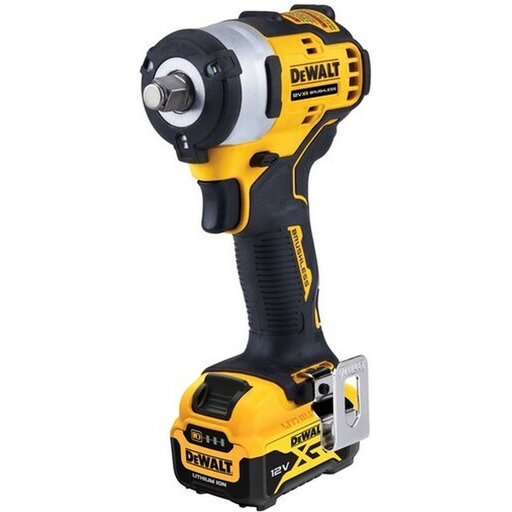
Why it suits this user: If you already use the DeWalt XR platform, a compatible battery system may be convenient. The product listing specifies a brushless motor and a maximum torque of 400 Nm.
The battery platform information is clearly stated. Before buying, check that this model and its included parts are suitable for the ratchet wrench application you have in mind.
Brushless motor according to the product listing, 10.8V XR battery system and stated maximum torque of 400 Nm.
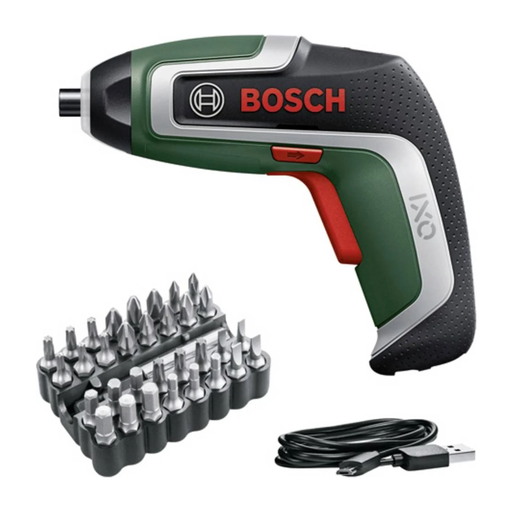
Why it suits this user: This is a compact electric screwdriver for light screwdriving and precision work. It’s better suited to furniture, small repairs and assembly than to heavy bolts in car maintenance.
Its lower voltage and compact design make its intended limits clearer. Don’t choose this model if you specifically need a 3/8-inch ratchet wrench for heavy-duty work.
3.6V system, 32-piece bit set, adjustable torque and 360° LED light according to the product description.
We’ve put together a full, up-to-date list of products that meet these strict selection criteria and the applicable European safety regulations.
A ratchet wrench speeds up tightening and loosening, but it’s still important to use it safely. Use a socket that fits the fastener snugly and check that the battery is securely in place before you start. Keep dirt away from the trigger and direction selector.
Also bear these points in mind:
It depends on the job. A 12V ratchet wrench is particularly useful for assembly and maintenance, and for quickly tightening or loosening fasteners. A more powerful system may be better suited to very tight bolts or heavy industrial applications. Always check the stated torque and recommended use.
Runtime is affected by battery capacity, load, temperature and the condition of the battery. A kit with two batteries helps reduce interruptions, as you can charge one while using the other. There’s no set runtime that applies to every job.
If a job requires a specific tightening torque, it’s a good idea to use a separate torque wrench. An electric ratchet wrench is designed to make assembly or disassembly more efficient, but its stated maximum torque in Nm isn’t the same as a calibrated torque wrench. When carrying out car maintenance or installation work, always check the requirements for the part in question.
