
Vandaag of morgen in huis

Kwaliteit gegarandeerd

Welkomstaanbiedingen ontgrendelen: GRATIS bezorging | Tot 80% korting | Gratis 30 dagen JoyPlus-proefperiode
Download de app
A flat battery, soft tyre or lack of power on the road can strike at the worst possible moment. 12V car accessories can help, but only if they suit your vehicle and how you use it. For example, a compact jump starter isn’t necessarily suitable for a diesel engine, while a high-wattage inverter can draw a lot of power from the battery.
When comparing products, look out for these three common pitfalls:
For a car jump starter, car battery charger or 12V compressor, the voltage must match your vehicle. Most cars use a 12V system, but accessories vary in their connections and power consumption.
For a 12V to 230V inverter, these specifications are particularly important:
According to the product description, a 300W inverter such as the BESTEK model is designed for devices up to its stated continuous power rating. Keep the ventilation openings clear and don’t exceed the limit. For higher loads, such as in a campervan, a model with battery cables and a suitable continuous power rating is more practical.
A portable car battery booster needs enough capacity for your vehicle. Be aware of the difference between:
Also check whether the smart clamps offer protection against reverse polarity, short circuits, overheating and overloads. According to the product information, several jump starters in the range include these safeguards, but always follow the instructions and connect the red clamp to the positive terminal.
For regular maintenance, an automatic car battery charger is often more convenient than waiting for the battery to run flat. Check that the charger is suitable for your battery type, such as AGM, EFB, GEL or a wet lead-acid battery. A 6A charger is generally intended for smaller and medium-sized batteries; a 15A model can charge faster, but requires extra care with capacity and ventilation.
An accessory needs to fit in your car and remain usable in Dutch conditions. Check:
For campervans, boats and off-grid use, a 12V LiFePO4 battery is worth considering because of its low weight and the built-in battery management systems found in some models. The product information for the Foursun 12V 100Ah mentions a BMS, low-temperature protection and options for series and parallel connections. Before buying, check that the charger, wiring and connected devices are compatible.
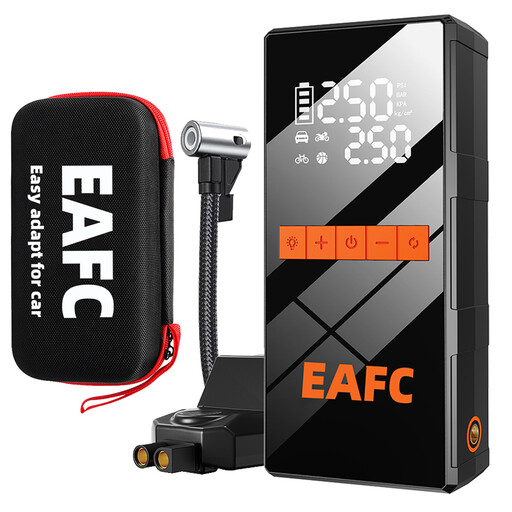
Why it suits this profile: A compact 4-in-1 option for drivers who want one device for jump-starting, inflating tyres, lighting and USB charging. According to the product information, this model is designed for petrol engines up to 4.0 litres and diesel engines up to 2.0 litres.
The product information clearly states the engine limits. Check these before buying rather than looking at the peak current alone.
1200A peak current according to the product listing, 150 PSI compressor, automatic stop function and LED lighting.
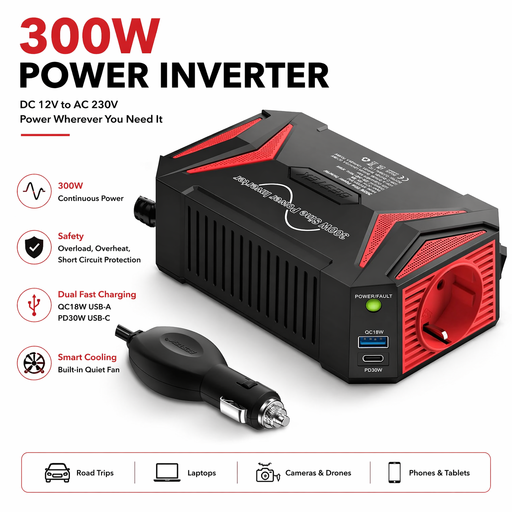
Why it suits this profile: Suitable for travellers, people working from home and campers who want to connect a laptop, camera or other low-power electronics to a 230V supply while on the go.
The listing states a 300W continuous power rating and 700W peak power. This makes it clear that it isn’t designed for high-power heaters or cooking appliances.
Pure sine wave according to the product description, USB-C and USB connections, 40A fuse and overheating protection.
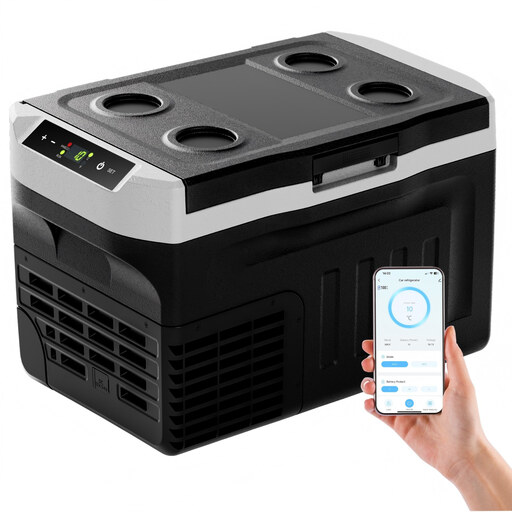
Why it suits this profile: A practical choice for campervan owners, lorry drivers and campers who need chilled storage on the go.
According to the product description, the three battery protection settings help reduce the drain on your vehicle battery. Still, check the settings and ventilation.
21-litre capacity, 12/24V DC and 220-240V AC connections, ECO and MAX modes, and a stated power consumption of 45W.
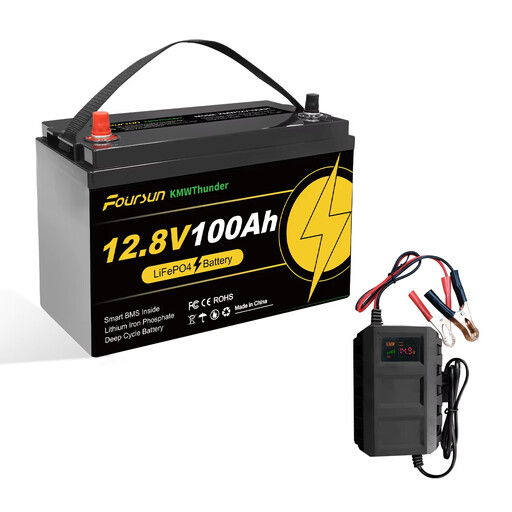
Why it suits this profile: Designed for use in campervans, boats, solar panel systems and other installations that need a dedicated 12V power supply.
The product details specify a BMS and charging voltage. Always pair the battery with the right LiFePO4 charger and installation; series or parallel connections need extra checks.
100Ah capacity, IP67 rating according to the product information, built-in BMS and support for configurations of up to 4S4P.
We’ve put together a complete, up-to-date list of products that meet these strict selection criteria and the applicable European safety regulations.
A good car emergency kit needs more than just jump leads. Consider adding a high-visibility vest, torch, gloves, tow rope and a charged phone. Check your lights, too. LED car bulbs must have the same fitting and permitted application as the original bulb. For example, an H7 bulb isn’t automatically suitable for every vehicle; check the fitting, vehicle type and any required legal approval.
A digital pressure gauge is useful with a car tyre inflator. Set the tyre pressure according to the sticker on the door frame or your owner’s manual, not the maximum value on the tyre sidewall. Let the compressor cool down when instructed to do so in the manual.
No. Your car’s socket and fuse determine how much power is safely available. Check the accessory’s maximum amperage and power rating. Only connect a high-power inverter or compressor in the way specified by the manufacturer.
This varies by model, temperature and use. Fully charge a jump starter before using it for the first time, and check the charge level regularly. Some product listings recommend topping it up every two to three months. Store the device in a dry place and avoid leaving it exposed to heat in the car for long periods.
No. Check the battery type, capacity in Ah and charging mode. A charger for lead-acid, AGM or GEL batteries isn’t automatically suitable for a 12V LiFePO4 battery. If in doubt, follow the battery and charger manuals.
