
Vandaag of morgen in huis

Kwaliteit gegarandeerd

Welkomstaanbiedingen ontgrendelen: GRATIS bezorging | Tot 80% korting | Gratis 30 dagen JoyPlus-proefperiode
Download de app
An electric car is a smart choice, but the search for the right home charging solution can feel like navigating a maze. You want a fast, reliable 11kW wallbox, but the market is flooded with marketing promises and technical jargon. Many EV drivers end up overpaying for features they don't use or getting locked into an inflexible system. Before you make a decision, it's crucial to recognise the common pitfalls.
As a Joybuy Product Recommendation Officer, I'm here to help you separate fact from fiction. We'll look at the specifications that truly matter, ensuring you choose a home charging station that fits your car, your electrical panel, and your budget.
It's tempting to opt for the model with the most bells and whistles. However, this often leads to unnecessary costs and frustration. Pay close attention to the following two points:
To avoid a costly mistake, it's crucial to check three technical aspects. These determine the speed, safety, and user-friendliness of your charging station.
The "11kW" figure refers to the maximum charging power. To achieve this, you need a 3-phase charging station and an electrical panel with a 3-phase connection (also known as three-phase power).
So, check your electrical panel first. If you don't have three-phase power, investing in an 11kW wallbox isn't worthwhile without a (costly) upgrade from your utility provider.
A charging station that delivers a fixed output can overload your home's electrical circuit if you're running other high-consumption appliances simultaneously (like a heat pump or an induction hob). An adjustable 32A charging station is the solution. It allows you to manually or remotely lower the charging power via an app (e.g., to 16A or 10A). This gives you the flexibility to prevent overloads without sacrificing maximum charging speed when the capacity is available.
An app-controlled charging station is more than just a gadget; it's an essential tool for saving money. Via an app, you can:
Opt for a model that is compatible with an open platform like Tuya Smart, so you aren't locked into a single manufacturer's software.
Based on these criteria, we have selected several products that suit different user profiles.
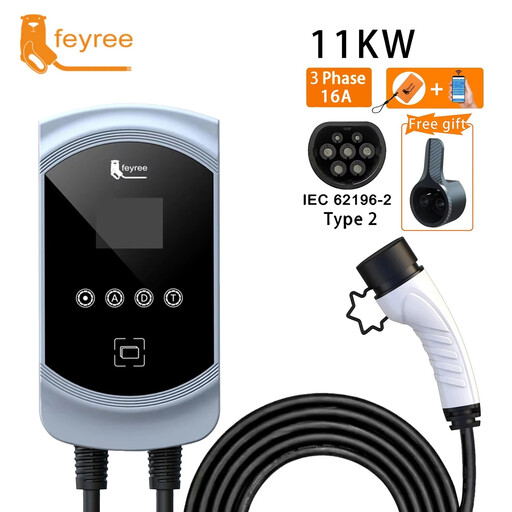
Why This Fits Their Persona: Ideal for the EV driver with a 3-phase connection who wants maximum control and speed. You want to optimise the charging process via an app and be able to adjust the amperage to suit your home's load.
This model uses the Tuya Smart app, an open platform with no hidden subscription fees. The Type 2 socket offers flexibility and avoids the problems of a tethered cable.
Fully adjustable amperage (8A to 32A) via the app. Comprehensive safety features, including overheating and leakage current protection.
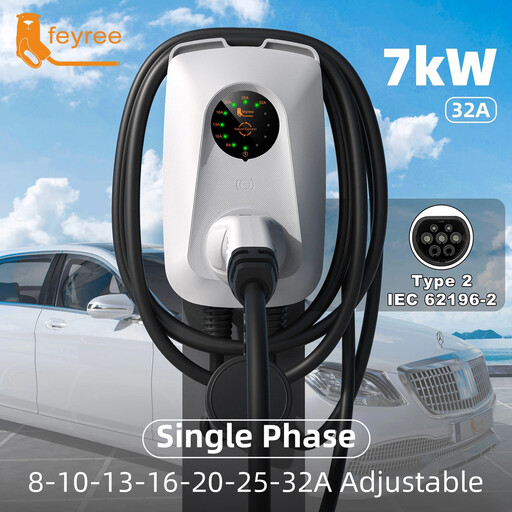
Why This Fits Their Persona: Suitable for those looking for a reliable and affordable charging solution who don't have or need a 3-phase connection. Perfect for overnight charging on a 1-phase connection.
Prevents you from overpaying for an 11kW system if your electrical panel or car doesn't support it. This model focuses on the essentials: reliable and safe charging.
Robust IP65 rating for water and dust resistance, making it suitable for outdoor installation. Still offers the ability to adjust the amperage (up to 32A on 1-phase).
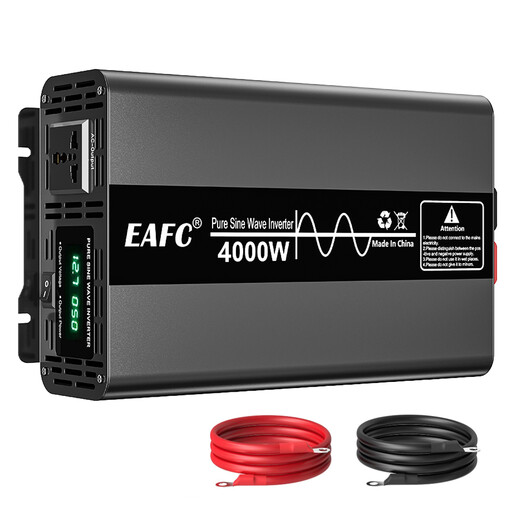
Why This Fits Their Persona: For the EV owner who thinks beyond just charging. This is for the camper, DIY enthusiast, or traveller who needs a powerful 220V power source, wherever their car may be.
This product isn't a wallbox, but a supplement. It avoids the pitfall of thinking your electric ecosystem ends at your driveway. It turns your car into a mobile power source.
Delivers 2000W of continuous power with a pure sine wave, which is safe for sensitive electronics like laptops and cameras. Ideal for off-grid situations.
We have compiled a complete, up-to-date list of products that fully meet these strict selection criteria and local regulations.
Yes, an 11kW wallbox requires a 3-phase power connection (three-phase power) in your electrical panel. Without this connection, the charging station will operate at a much lower power level (typically 3.7kW), making the investment in an 11kW model not cost-effective. Always have your electrical panel inspected by a specialist before making a purchase.
The biggest advantage is cost savings. With an app-controlled charging station, you can schedule charging sessions during off-peak hours when electricity is cheaper. It also gives you direct insight into your power consumption and allows you to start or stop the session remotely, providing extra convenience and control.
No, this is strongly discouraged and, in many regions, not permitted. The installation of a three-phase EV charging station is a complex electrical procedure that must be performed by a licensed and certified electrician. This is not only crucial for your safety but also for your insurance validity. Improper installation can lead to fire hazards and damage to your car and home.
