
Vandaag of morgen in huis

Kwaliteit gegarandeerd

Welkomstaanbiedingen ontgrendelen: GRATIS bezorging | Tot 80% korting | Gratis 30 dagen JoyPlus-proefperiode
Download de app
If you're looking for a 10 kg sushi rice package, you likely have a clear goal: you want a dependable, high-quality stock at a great value. Whether you run a sushi restaurant, manage a catering service, or regularly roll out the sushi mat at home, the right rice is the foundation of every successful dish. A bulk package of rice is therefore a logical choice.
The challenge is finding the right bag amidst the vast selection. Specifications can be confusing, and quality varies. This article is intended as a practical guide. We will highlight several popular choices and provide you with concrete guidance to select the rice for sushi that best suits your kitchen.
Before we look at the products, here are a few key points to help you make your choice.
The most traditional sushi rice is a short-grain rice. These grains are nearly round and contain a high amount of amylopectin, a type of starch that creates the characteristic sticky and soft texture after cooking. This makes the rice ideal for shaping into nigiri or maki. Medium-grain rice is slightly longer and can also produce a good sticky rice, often with a slightly firmer bite. It is generally more versatile in the kitchen.
For those seeking professional-grade sushi rice, consistency is essential. A bag of rice where all grains are of a uniform size will cook more evenly. This ensures a predictable end result, time after time. This is an important feature to look for in the product description, especially when purchasing a 10 kg sushi rice package.
Good Japanese rice isn't just for sushi. Its sticky texture also makes it the perfect base for onigiri rice (Japanese rice balls), poké bowls, or as a side dish with various Asian meals. Consider what you will primarily be using the rice for. A versatile rice can be an efficient choice for a busy kitchen.
Below is a selection of products frequently chosen by both professionals and home cooks. The recommendations are based on the manufacturer's product specifications.

Why it stands out: A reliable choice with a classic, sticky texture, ideal for authentic sushi.
Key Features:
Who is it for?: Suitable for sushi restaurants and caterers, as well as for the serious home cook who regularly makes sushi or onigiri and expects consistent quality.
View product details for Golden Lily Premium Sushi Rice
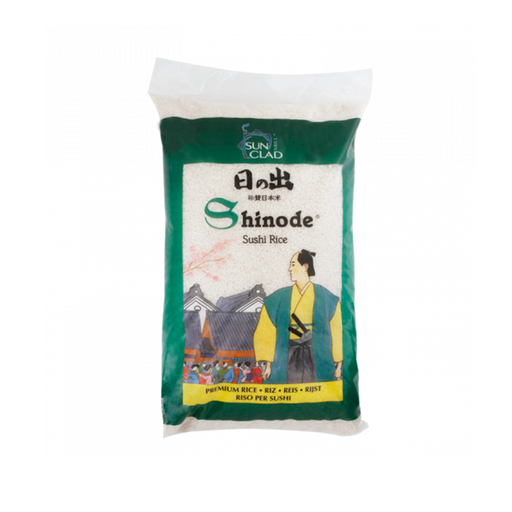
Why it stands out: This Japanese-style round-grain rice provides an authentic base for sushi and rice balls.
Key Features:
Who is it for?: Chefs looking for a specific texture for traditional dishes. Note: According to the manufacturer, this product contains wheat and may contain traces of gluten. Always check the packaging for the most up-to-date allergen information.
View product details for Shinode Japanese Style Sushi Rice
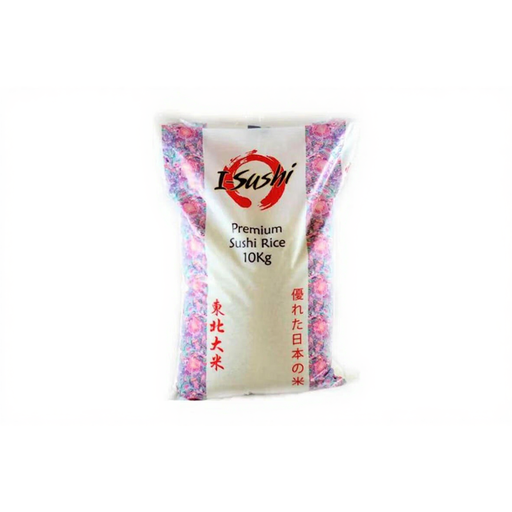
Why it stands out: A versatile rice suitable not only for sushi but also for other Asian dishes.
Key Features:
Who is it for?: Ideal for kitchens that want to use one bulk package of rice for various meals, including sushi. A practical all-rounder.
View product details for I-Sushi Medium Grain Rice
The right sushi rice is a personal choice and depends on your dish. If you're still undecided, looking for a different package size, or simply want to compare more brands, you can browse our full assortment.
The main difference lies in the grain and the starch content. Sushi rice is a short- or medium-grain rice with a high content of amylopectin. This starch causes the grains to stick together after cooking. Long-grain rice, such as basmati or jasmine, contains more amylose, which helps the grains remain drier and more separate.
Store the unopened bag in a cool, dry, and dark place. Once opened, it is advisable to transfer the rice into one or more large, airtight containers. This protects the rice from moisture, pests, and absorbing odours from its surroundings, thereby preserving its quality.
