
Vandaag of morgen in huis

Kwaliteit gegarandeerd

Welkomstaanbiedingen ontgrendelen: GRATIS bezorging | Tot 80% korting | Gratis 30 dagen JoyPlus-proefperiode
Download de app
A 1-litre fruit drink might seem straightforward to choose at first glance. Yet the shelves and online shops are filled with different types all mixed together: fruit drink, fruit juice, nectar and drinks with added vitamins. The packaging might look tropical, while the fruit content is actually quite limited. Likewise, “no added sugar” doesn’t automatically mean a drink is low in sugar.
With this practical guide, you’ll know exactly which information really matters. That way, you can pick a 1-litre fruit juice or fruit drink that suits your breakfast, family, party or everyday stock.
A mango, pineapple or guava on the front makes a drink recognisable, but it doesn’t show how much fruit is actually inside. So always check the ingredients list and look for a percentage of fruit juice, purée or fruit from concentrate. For example, Maaza Guava Drink states on its product information that it contains 17% guava juice from concentrate. The flavour may clearly taste of guava, but water remains the main ingredient.
Fruit naturally contains sugars. A product with no added sugar can therefore still contain sugar. Appelsientje 100% Pure Golden Apple Juice is made from concentrated apple juice according to the product description, and contains only naturally occurring fruit sugars. That doesn’t automatically make it a sugar-free fruit drink.
Pay attention to the difference between:
Some drinks are marketed as fruit drink with vitamin C and D. That can be a useful point of comparison, but you should also look at sugar, serving size and fruit percentage. According to the product information, DubbelDrank Apricot Orange contains 18 mg of vitamin C and 0.75 µg of vitamin D per 100 ml. These values apply per 100 ml, not per whole 1-litre bottle.
First, look at the order of the ingredients. Ingredients are usually listed in descending order by quantity. If water comes first, the product is not 100% fruit juice. Then look for:
A tropical fruit drink may combine several fruits. For example, DubbelDrank Mango Passion Fruit contains apple juice, mango pulp and passion fruit according to the product description, with a fruit content of at least 38%. So the name “mango drink” doesn’t mean mango is the main ingredient.
Use the nutrition table to compare products fairly. Per 100 ml you can see, among other things, energy, carbohydrates and sugars. A 1-litre bottle contains ten times that amount, so a small serving can quickly add up.
Examples from the product information provided:
The last drink also contains milk ingredients according to the description. That’s relevant for anyone avoiding allergens.
Always check the current packaging, because recipes and labels can change. The product information for several DubbelDrank varieties states that they contain none of the 14 main EU allergens. However, g’woon Zappie Tropical lists milk as an allergen.
Once opened, a fruit drink usually needs to be kept refrigerated and used within the period stated on the packaging. Shake a drink containing fruit purée well before use if the label says so. Also check the seal and the best-before date upon delivery.
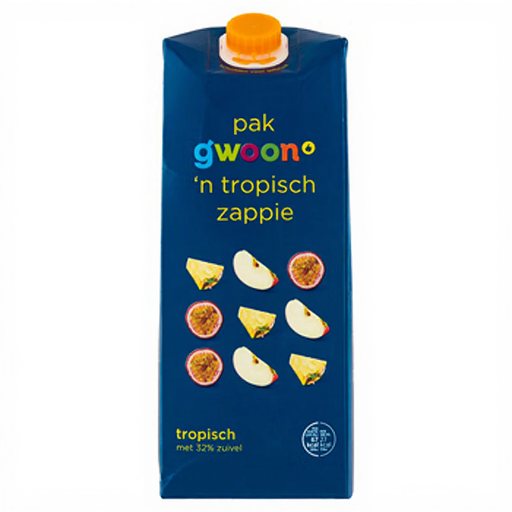
Why this fits the profile: An accessible 1-litre pack for families and everyday use, with a tropical flavour and a clear nutrition table.
The ingredients list makes it clear that this is a fruit drink containing apple, pineapple and passion fruit concentrate, not 100% juice. Milk is also listed as an allergen.
1 litre content; 6.3 g sugar per 100 ml according to the product information provided; suitable for serving chilled.
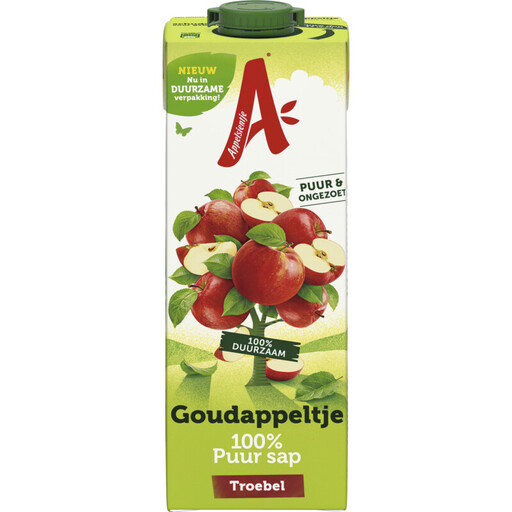
Why this fits the profile: A great choice for anyone looking for a pure apple juice with no added sugar and wanting the shortest possible ingredients list.
The product description states 100% concentrated apple juice and no added sugar. Check the current packaging for the full nutritional values.
100% fruit content according to the product information; with added vitamin C; 10.3 g sugars per 100 grams.
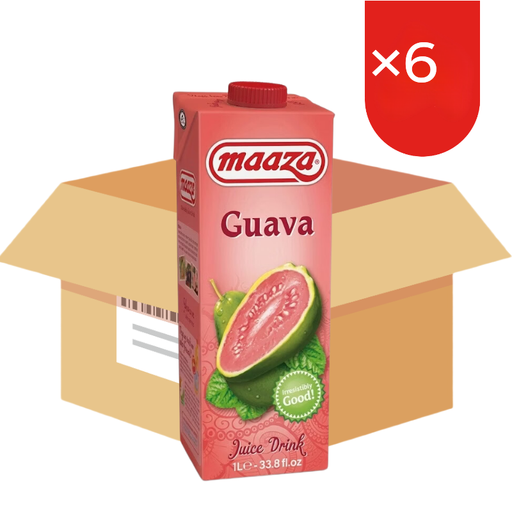
Why this fits the profile: A multipack for households, parties or pantry use where multiple litre bottles are needed.
The product states 17% guava juice from concentrate and 11 g sugar per 100 ml. This allows you to compare the fruit drink without relying solely on the packaging or flavour name.
Six 1-litre bottles; no declarable allergens according to the product information; shake before use.
We’ve put together a full, up-to-date list of products that fully meet these strict selection criteria and comply with current European safety regulations.
That depends on the number of people drinking it and the serving size. A 1-litre bottle contains roughly ten servings of 100 ml. For a family or party, a multipack may be more practical. Store an opened bottle in the fridge and follow the period stated on the packaging.
Fruit juice is made entirely from juice, whereas a fruit drink usually contains water, juice or purée and sometimes sugar, sweeteners or flavourings. Check the fruit percentage and the ingredients list. A tropical fruit drink with mango, pineapple or guava doesn’t necessarily have a high proportion of that specific fruit.
Compare the nutritional values per 100 ml. In the product information provided, Appelsientje Fruit Drink Orange has 5.6 g sugars per 100 ml, compared with 10.3 g for Appelsientje Golden Apple Juice. That difference doesn’t tell you the full nutritional profile; also check energy, sweeteners, milk ingredients and serving size.
