
Vandaag of morgen in huis

Kwaliteit gegarandeerd

Welkomstaanbiedingen ontgrendelen: GRATIS bezorging | Tot 80% korting | Gratis 30 dagen JoyPlus-proefperiode
Download de app
Looking for a large carton of orange juice for breakfast or as a refreshment during the day? The selection is vast, and it's not always immediately clear what the differences are between the various brands. This guide is designed to help you make an informed choice. We'll highlight several popular options and examine their composition and features, so you can choose a carton that suits your preferences.
Before we dive into the products, here are a few practical points to keep in mind. This can help you find the right carton of orange juice more quickly when doing your online grocery shopping.
The term jus d'orange is often used for 100% pure juice, straight from the fruit. Appelsientje is a well-known example of this. Other beverages, such as Taksi orange, are a mix of juice, water, and sometimes dairy. These have a different taste and texture, and are often milder and sweeter. The choice depends on your personal taste: do you prefer the pure, intense flavour of orange, or a softer, blended drink?
Many people look for orange juice without sugar. It's important to know that this usually means no sugars have been added by the manufacturer. Orange juice naturally contains fruit sugars. Products sold as '100% pure juice', like Appelsientje orange juice, typically only contain these natural sugars. Always read the label to check the ingredients and the amount of sugar per 100 ml.
Some brands pay extra attention to the origin of their fruit. A certification like the Rainforest Alliance indicates that environmental and farmers' working conditions have been taken into account during cultivation. If this is important to you, it's worth looking for this when making your choice.
Below is an overview of three different types of orange drinks in a 1.5-litre package. We have selected them based on their unique properties and popularity among different target audiences.
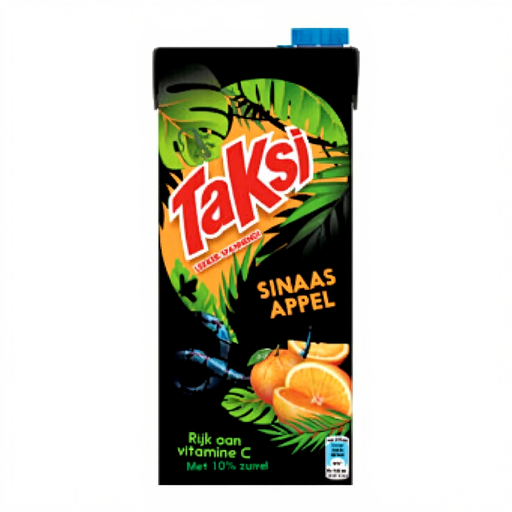
Why It Stands Out: Taksi is not your standard orange juice. It's a fruit drink that combines orange and apple juice with dairy. This creates a soft, creamy taste that is different from pure juice.
Pros:
Who Is It For? This is a suitable choice for families looking for an accessible and mild fruit drink that's a little different from traditional jus d'orange.
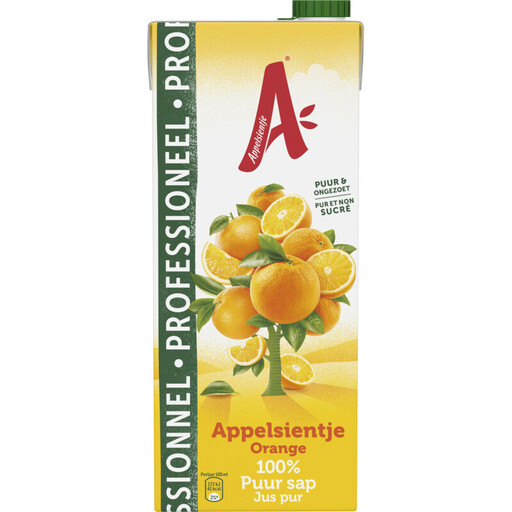
Why It Stands Out: Appelsientje is known for its promise of 100% pure juice. According to the brand, this juice uses Brazilian oranges that are pressed within 24 hours of being picked.
Pros:
Who Is It For? Ideal for those who appreciate the classic, pure taste of orange juice and are looking for a product without unnecessary additives. A popular choice for Sunday breakfast.
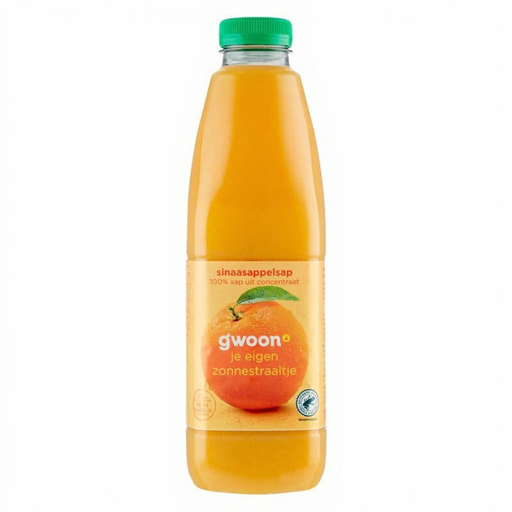
Why It Stands Out: G'woon offers an orange juice with a focus on sustainability. The product carries the Rainforest Alliance seal, which means the oranges are grown with respect for the environment and better living conditions for the growers.
Pros:
Who Is It For? A great choice for the price- and eco-conscious shopper who wants a simple and responsible product for daily use.
If your favourite drink isn't listed here, or if you're curious about other options like smoothies, sports drinks, or other fruit juices, there is a wide range of beverages available that can contribute to your daily fluid intake.
View our full range of supplement drinks
In practice, these terms are often used interchangeably. Traditionally, 'jus d'orange' (French for 'orange juice') refers to 100% pure juice. 'Orange juice' can also refer to beverages based on juice but with additives like water or sugar. It's worthwhile to check the label for the fruit percentage.
Juices from a carton are briefly heated (pasteurised) to extend their shelf life. This process can slightly reduce the amount of some nutrients, such as vitamin C. Manufacturers sometimes add extra vitamin C to compensate for this. The nutritional value of juice from a carton is clearly stated on the packaging.
